📰 Newspapers

India’s election body website flaw exposing voter data fixed after Reuters findings

India’s election body website flaw exposing voter data fixed after Reuters findings

Exposed reference numbers could allow hackers to automate downloads of large amounts of data.

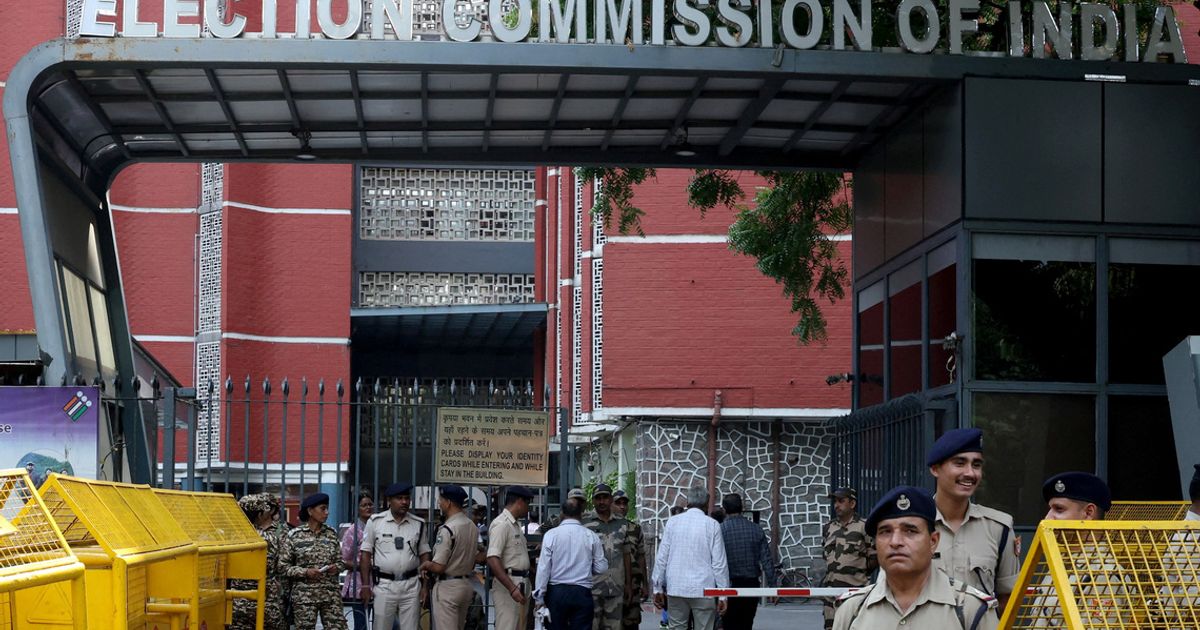
MUMBAI – A security flaw in India’s Election Commission (ECI) website that was allowing access to sensitive personal details and documents of some voters has been fixed, after Reuters discovered the vulnerability and alerted the institution.

Researchers said the flaw, which Reuters is the first to report, could have been easily abused.

The security issue, and the fix, come months ahead of elections in key Indian states, including the most populous, Uttar Pradesh, and while the ECI is facing growing public anger over a contentious drive to update voter lists.

Opposition parties and activists have said the drive has disenfranchised millions of voters to the benefit of Indian Prime Minister Narendra Modi’s Bharatiya Janata Party (BJP).

The ECI says it has complied with all regulations, while the BJP argues opposition groups are misleading the country after failing to win elections.

A Reuters review over more than a month of the ECI’s website showed that when a voter logged into their account and requested a telephone call with their local electoral officer, the network tab in an ordinary browser’s developer tools, opened with a simple right click, started showing the reference number of the form submitted online to enrol as voters or update their information.

On using those reference numbers to book the call, the same network details started revealing personal…


In brief

MUMBAI – A security flaw in India’s Election Commission (ECI) website that was allowing access to sensitive personal details and documents of some voters has been fixed, after Reuters discovered the vulnerability and alerted the institution. Researchers said the flaw, which Reuters is the first to report, could have been easily abused. On using those reference numbers to book the call, the same network details started revealing personal…

This is the opening of the story, shared with credit to The Straits Times — Asia. The rest of the report — with every detail — continues on the publisher’s website.

Continue reading at The Straits Times — Asia ↗

Cookie settings

Choose which cookies we may use. You can change this at any time from Cookie settings in the footer. Details of each cookie are in the Cookie Policy.

Strictly necessary

Needed for sign-in, security, payments and remembering these choices. Always on.

Preferences

Remember settings such as dark mode.

Analytics & performance

Help us count visits, understand which pages, devices and countries our readers use, and measure how well the site performs – anonymous and aggregated.

Advertising & marketing

Lets advertising partners show and personalise adverts, measure impressions, clicks and visits, prevent ad fraud and pay us – this is how the free site is funded.

🔔 News notifications

Get headlines from NewsHub on this device — even when the site is closed.

You can switch this off at any time. Works on Android, Windows, Mac and Linux browsers; on iPhone/iPad add the site to your Home Screen first.