📰 Newspapers

Putting survivors at the centre of gender-based violence services

Putting survivors at the centre of gender-based violence services

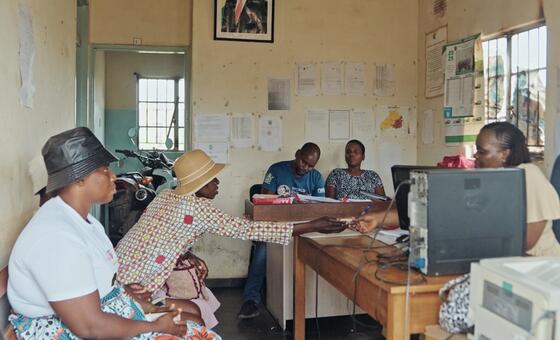
Reaching out for help can be an enormous step for survivors of gender-based violence (GBV), and what happens after walking through the doors of a support service can shape the path towards recovery and safety

“More than anything, they want to be believed,” said Erin Gerber, a GBV response specialist with the UN reproductive and sexual health agency, UNFPA, based in Nairobi.

“That was something that came up over and over again.”

Acknowledging survivors’ experiences and ensuring they receive safe and quality support is at the heart of Women at the Centre, UNFPA’s first global GBV case management programme.

Currently implemented in Azerbaijan, El Salvador, Indonesia, Madagascar and Zimbabwe, it aims to strengthen the services survivors receive while building a consistent and professional social service workforce.

The programme began by examining existing services and identifying barriers to accessing them.

Assessments pointed to seven marginalized groups that have historically faced discrimination or exclusion, including adolescent girls, older women, LGBTIQ+ survivors, persons with disabilities, people of African descent, Indigenous People, and sex workers.

Across those groups, accessibility, institutional violence, and not being believed were repeated concerns.

For survivors who do reach services, Ms. Gerber explained that quality care begins with seemingly simple things: being welcomed, communicating in their own language, and knowing their information will remain confidential.

In brief

Reaching out for help can be an enormous step for survivors of gender-based violence (GBV), and what happens after walking through the doors of a support service can shape the path towards recovery and safety “More than anything, they want to be believed,” said Erin Gerber, a GBV response specialist with the UN reproductive and sexual health agency, UNFPA, based in Nairobi.

This is the opening of the story, shared with credit to UN News. The rest of the report — with every detail — continues on the publisher’s website.

Continue reading at UN News ↗

Cookie settings

Choose which cookies we may use. You can change this at any time from Cookie settings in the footer. Details of each cookie are in the Cookie Policy.

Strictly necessary

Needed for sign-in, security, payments and remembering these choices. Always on.

Preferences

Remember settings such as dark mode.

Analytics & performance

Help us count visits, understand which pages, devices and countries our readers use, and measure how well the site performs – anonymous and aggregated.

Advertising & marketing

Lets advertising partners show and personalise adverts, measure impressions, clicks and visits, prevent ad fraud and pay us – this is how the free site is funded.

🔔 News notifications

Get headlines from NewsHub on this device — even when the site is closed.

You can switch this off at any time. Works on Android, Windows, Mac and Linux browsers; on iPhone/iPad add the site to your Home Screen first.