In 1967, the late Kenya-born scholar Ali Mazrui introduced the concept of Pax Africana. Mazrui repeatedly argued that the continent could achieve peace and security by becoming its own policeman. His principle of “continental jurisdiction” was an African Monroe Doctrine intended to keep external actors from meddling in disputes that Africans should resolve themselves (albeit in close partnership with the UN). In his view, intra-African interventions were more legitimate than outside ones.
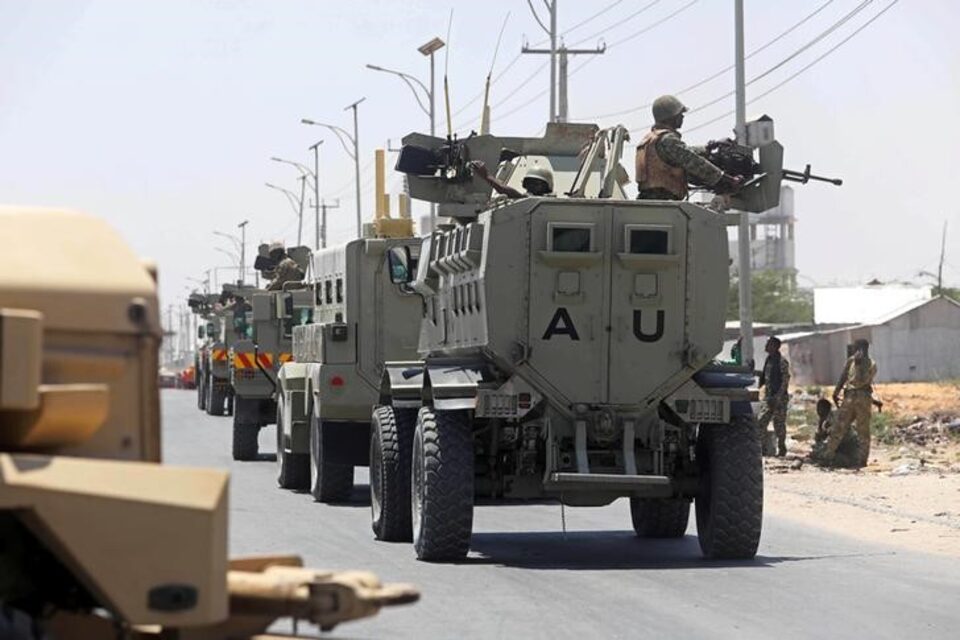
In recent years, the African Union has sought to implement Pax Africana by dispatching peacekeepers to Burundi (2003-04), Darfur (2004-07) and Somalia (since 2007). But the AU’s persistent logistical and financial constraints eventually forced the UN to step in and assist the missions in Burundi and Darfur, while at least 3,500 of its peacekeepers have died in the Somalia operation, which has failed to contain the Islamist group Al-Shabab.
Reconciling security and sovereignty has troubled Africa for decades. Following the end of the Cold War, devastating conflicts erupted in Liberia, Somalia and Rwanda. Fearing the recolonization of Africa under the pretense of Western humanitarianism, Mazrui urged African regional hegemons — Nigeria, South Africa, Congo, Ethiopia and Kenya — to establish an African security council and a pan-African emergency force that could help pacify weaker, smaller neighbors. A UN-led international administration would then nurse them back to health.