The year is 1977, and the movies ain’t what they used to be. Over the last decade, a New Wave of young filmmakers have taken over, moving from indoor sets to city streets to film grittier, meaner, counter-cultural stories that reflect the disillusionment of the times. In the process, Hollywood’s prior artifice has been shattered; no longer a glossy, well-oiled machine solely controlled by big studios. But nothing lasts forever — and something is about to come along (as it always does) that once again changes everything: Star Wars: Episode IV - A New Hope. As screenwriter and filmmaker Paul Schrader told film historian Peter Biskind for his book "Easy Riders and Raging Bulls": “Star Wars was the film that ate the heart and the soul of Hollywood. It created the big-budget comic book mentality.” The Further Mis-Adventures of Cliff Booth (TFMCB) takes place in the summer of ‘77, right at the height of Star Wars mania. While only glimpsed on cinema marquees in passing shots, its background presence sets the tone for a movie that’s not only wrestling with shifting attitudes and the violent tug of time, but also itself.
Euronews Culture's Film of the Week: 'The Further Mis-Adventures of Cliff Booth' - Fincher with fries?
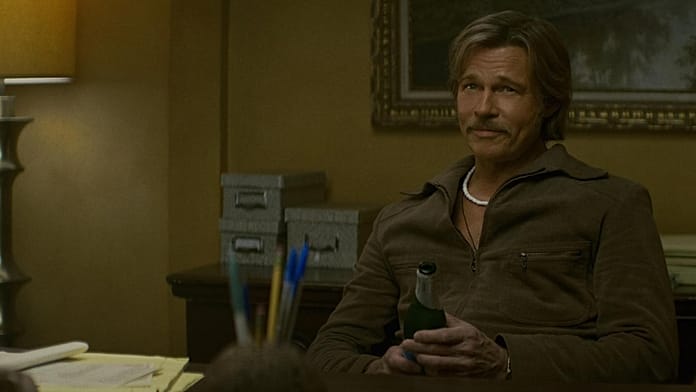
Nostalgia and nihilism collide in David Fincher's gritty but edgeless follow-up to Quentin Tarantino's 'Once Upon a Time in Hollywood'.
In brief
The year is 1977, and the movies ain’t what they used to be. As screenwriter and filmmaker Paul Schrader told film historian Peter Biskind for his book "Easy Riders and Raging Bulls": “Star Wars was the film that ate the heart and the soul of Hollywood. The Further Mis-Adventures of Cliff Booth (TFMCB) takes place in the summer of ‘77, right at the height of Star Wars mania.
This is the opening of the story, shared with credit to Euronews. The rest of the report — with every detail — continues on the publisher’s website.
Continue reading at Euronews ↗