Closely watched decision exposes tensions between minority rights and the power of government to override those rights
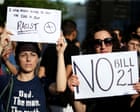
Canada’s top court has largely upheld a controversial secularism law in the province of Quebec barring public sector workers from wearing conspicuous religious symbols, in a closely watched decision that exposes the tensions between minority rights and the power of government to override those rights.
In a 6-1 ruling released on Friday morning, the supreme court found Quebec was permitted to shield the law, Bill 21, from most court challenges on the grounds that it violated charter rights.
“Bill 21 is rooted in Quebec’s legitimate and historical commitment to ensuring the laicity of the state in a free and democratic society,” chief justice Richard Wagner wrote in the majority opinion.
Canada’s top court says the four days of hearings from earlier in the year marked one of the longest in its 151-year history. Fifty-one interveners participated, including six attorneys general – also a record number. The court’s website crashed on Friday morning when the judgment was released.
Passed in 2019, Quebec’s secularism law, Bill 21, bars workers including lawyers, judges, police and teachers from wearing religious symbols such as a hijab, turban, kippah or a cross while on the job.