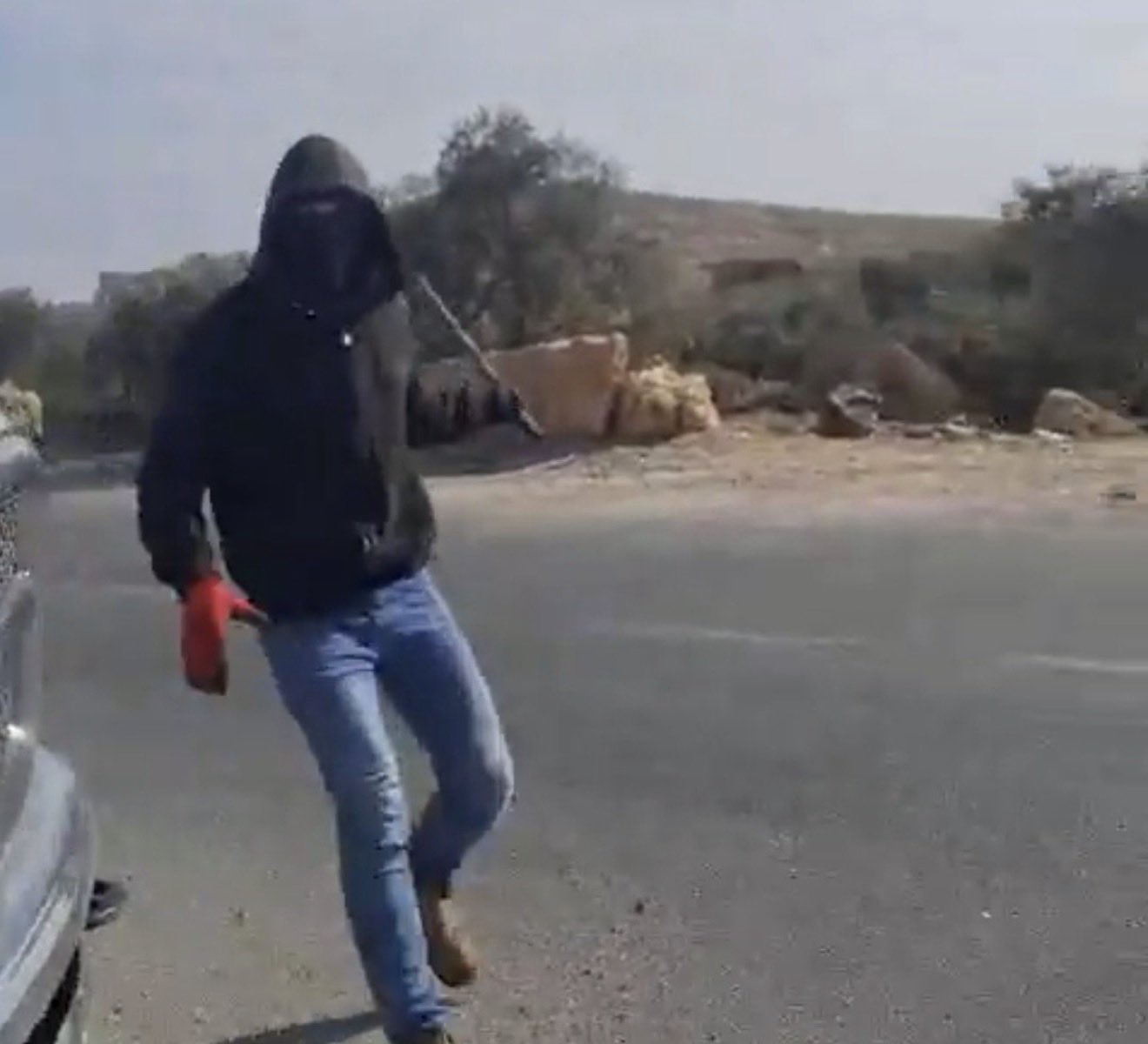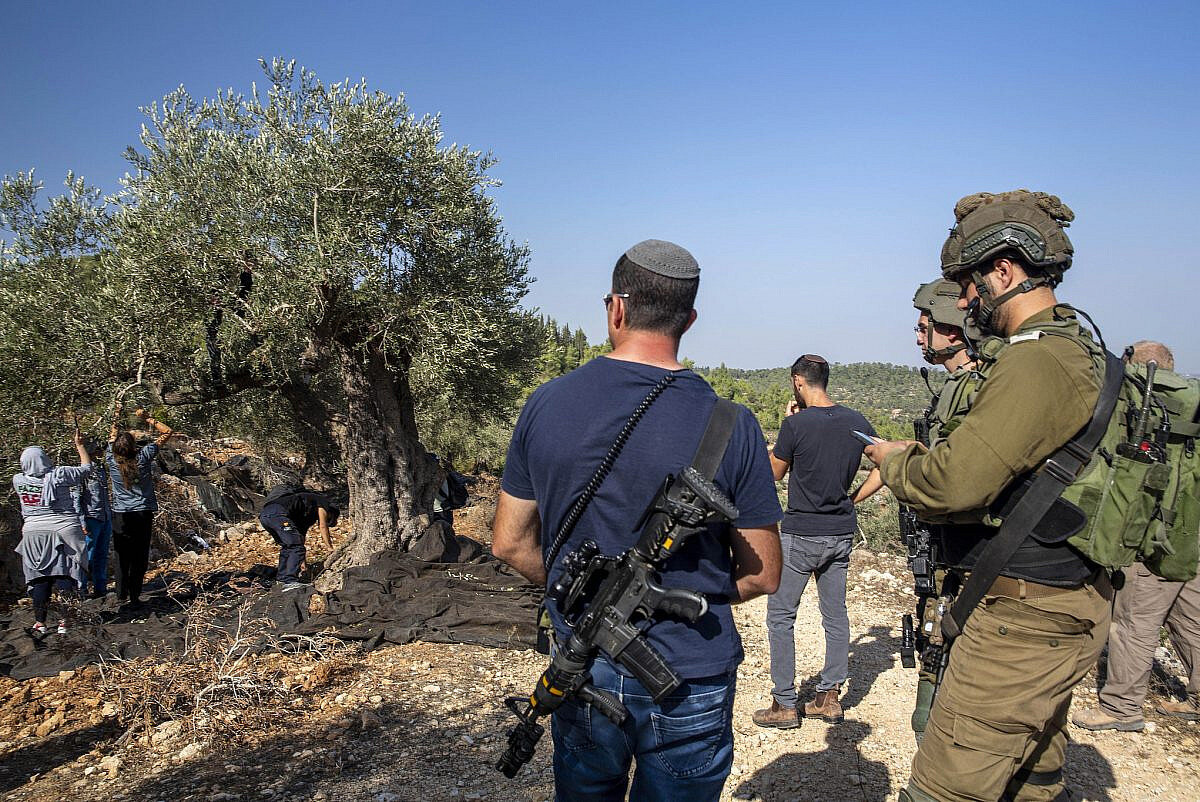
TEHRAN – Settler terrorism in the West Bank is no longer a marginal phenomenon linked to extremist groups or isolated individual attacks.
It has become part of a much broader political and security landscape, revealing big changes within the Zionist project itself, the nature of the relationship between the regime and the settlement movement, and the rise of the religious-nationalist and messianic far right from the margins to the centers of decision-making.
The issue is not simply the scale of these attacks or the number of their victims, but the role this terrorism plays in reshaping Palestinian geography, as well as the political and institutional environment that allows it to continue and expand.
Settler terrorism goes beyond attacking Palestinians and their property. Its purpose is also to impose conditions that force Palestinians to leave their land and communities. An attack on a village, the burning of a home, or an assault on farmers and shepherds is not an isolated incident. Rather, these practices build on one another, making Palestinian life increasingly impossible across large areas.
The figures show just how widespread the phenomenon has become. According to data from the United Nations Office for the Coordination of Humanitarian Affairs (OCHA), more than 1,800 settler attacks were recorded in 2025, affecting around 280 Palestinian communities and injuring 1,190 Palestinians.