

“It is better that a hundred guilty persons should escape than that one innocent person should suffer.” Benjamin Franklin wrote these words in a letter to Benjamin Vaughan in 1785. More than two centuries later, the principle behind them remains central to the justice system. For Kevin Jay Smith, however, a case of mistaken identity meant spending 30 days in jail after police confused him with another man who had a similar name. Although an internal investigation by the Beaumont Police Department found sufficient evidence of misconduct by the officer responsible, a Texas appeals court has now dismissed Smith's claims against the City of Beaumont.But when someone's negligence costs another person 30 days of freedom and leaves a mark on their record, who should be held responsible? The officer who failed to verify the identity, the department that failed to ensure proper checks, the system that may have failed to provide adequate training, or the court that initially accepted the police's account without looking further into the matter? When each institution has a role in preventing such mistakes, where does accountability lie when they all fail?How a case of mistaken identity led to 30 days in jailThe story begins with a knock on the door.
Texas man says police jailed him 30 days over name mix-up; court dismisses case
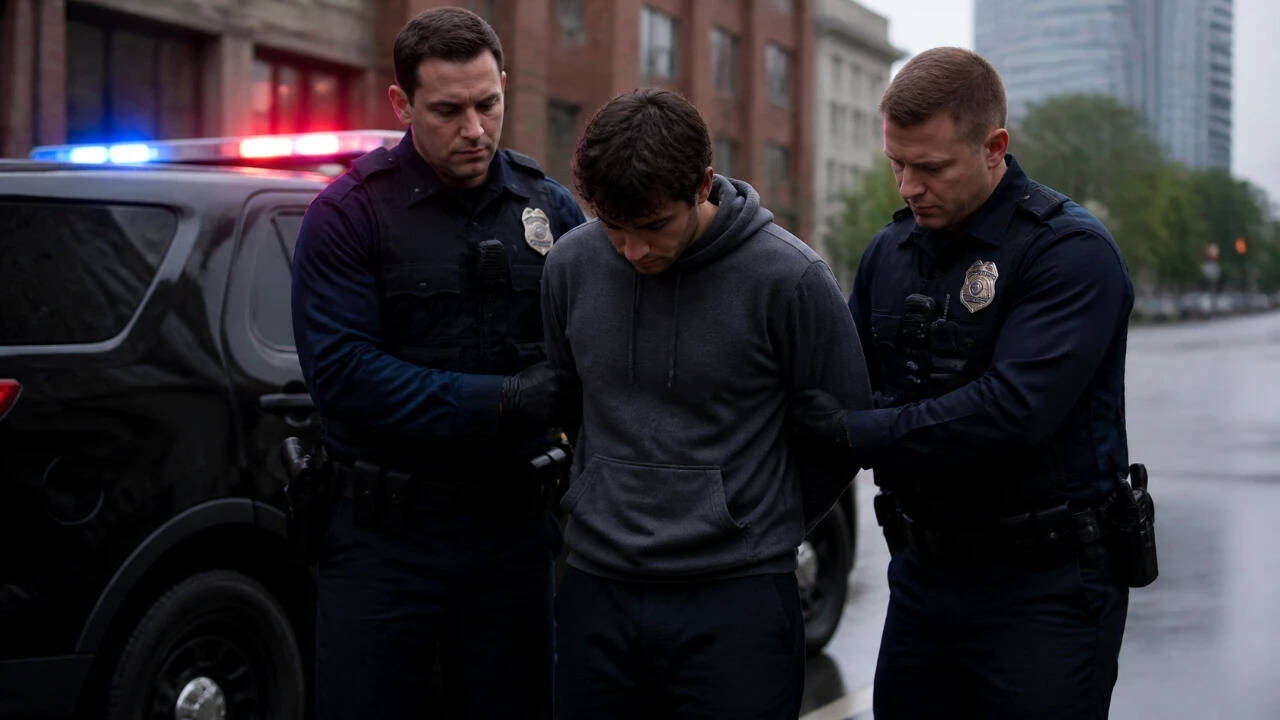
Kevin Jay Smith was wrongfully arrested after a Beaumont police officer confused him with another person. The officer selected the wrong name while preparing incident reports, leading to an arrest warrant. After 30 days in jail, Smith's wrongful detention was discovered by internal investigations that acknowledged misconduct. Despite internal findings, a Texas appeals court dismissed Smith's claims against the City…
In brief
“It is better that a hundred guilty persons should escape than that one innocent person should suffer. For Kevin Jay Smith, however, a case of mistaken identity meant spending 30 days in jail after police confused him with another man who had a similar name. The officer who failed to verify the identity, the department that failed to ensure proper checks, the system that may have failed to provide adequate training, or the court that initially accepted the police's account without looking further into the matter?
This is the opening of the story, shared with credit to The Times of India — World. The rest of the report — with every detail — continues on the publisher’s website.
Continue reading at The Times of India — World ↗