AI's influence on music gear may be bigger than we thought.
Much has been made of artificial intelligence's intrusion into the music space. Most have focused on agentic AI's song generation capabilities, with proponents proclaiming the dawn of horizonless creativity and detractors decrying mass intellectual theft. And although the AI-slop flooding your Spotify app grabs all the headlines, it is the waves of AI-generated software flooding the audio engineering landscape that may have a more lasting impact.
Increasingly common, vibe coding is the practice of generating code by inputting common-language prompts into an AI chatbot. Somewhere between computer programming and wish fulfillment, it's a cheap, easy way to create new software, whether you are an amateur or hold a master's in computer science.
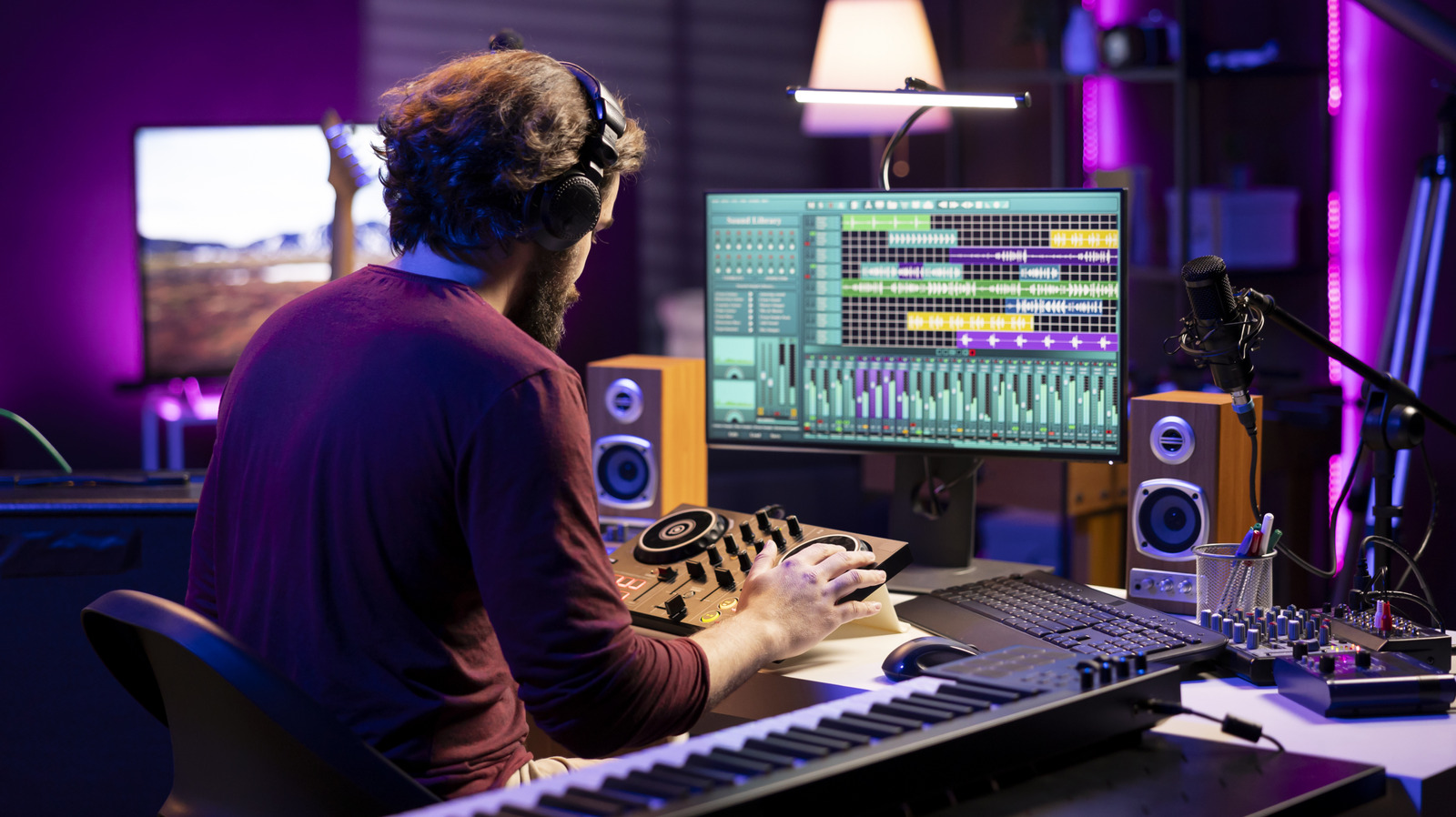
The democratization of code has opened the audio engineering gates to music enthusiasts using AI chatbots to generate new production software. Known as plugins, this software allows producers to add new instruments and effects to their digital Audio Workstation (DAW). Historically, developing these production tools was costly and technically difficult.
Computer programmers who use agentic AI will tell you that vibe coding isn't the set-it-and-forget-it solution most imagine.