📰 Newspapers

ULA Vulcan rocket failure destroys 40 Amazon Leo satellites

ULA Vulcan rocket failure destroys 40 Amazon Leo satellites

United Launch Alliance is known for its ultra-dependable Atlas V, but its its latest rocket is off to a shaky start.

It’s the alliance's first launch failure since it formed in 2006.

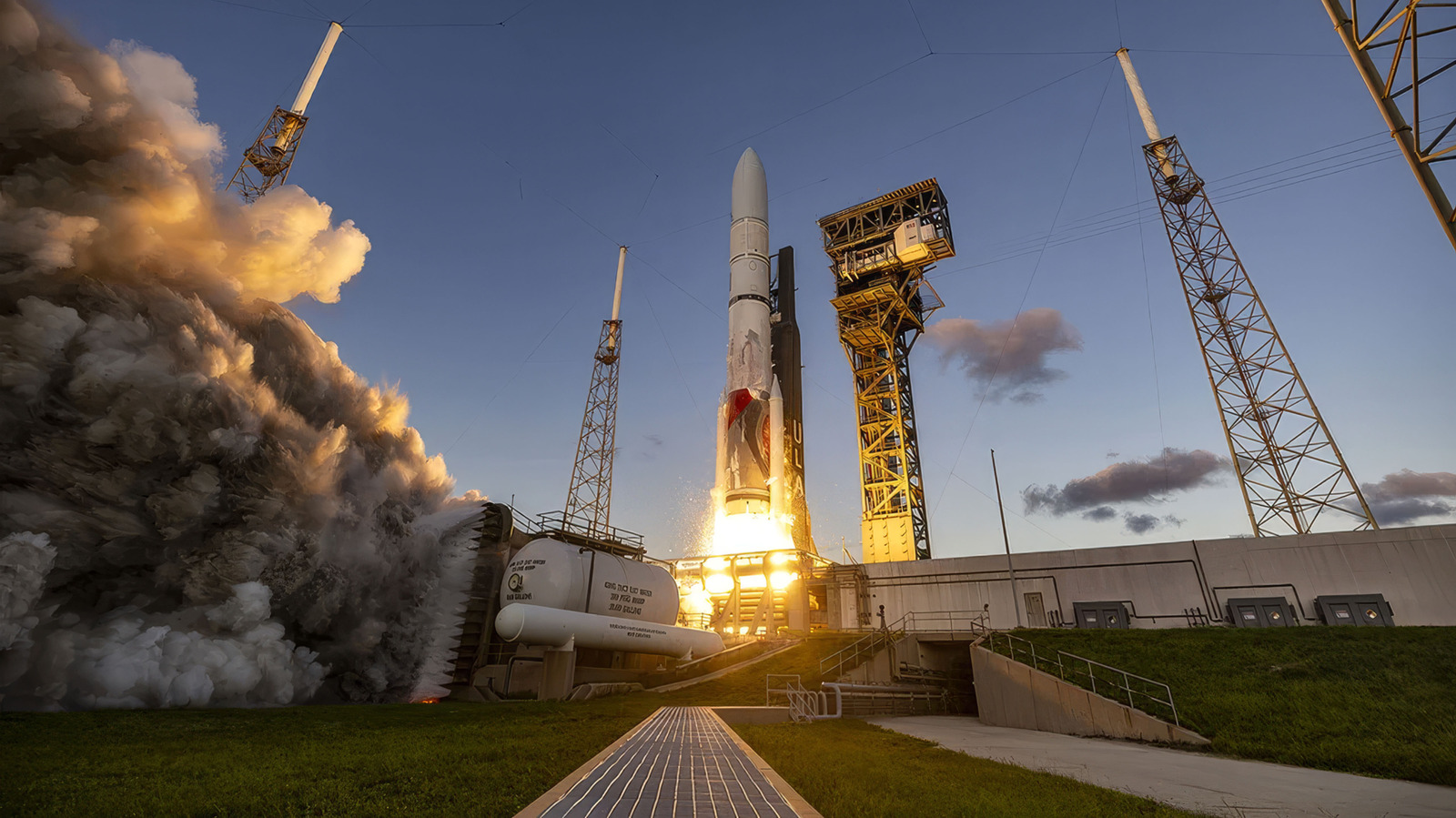
United Launch Alliance is known for its ultra-dependable Atlas V, but its its latest rocket is off to a sputtering start. The new heavy-lift Vulcan rocket malfunctioned while climbing into space yesterday, destroying its payload of 40 Amazon Leo internet satellites.

"Based on data received by our Launch Director, we confirm that the Vulcan vehicle launched from Space Launch Complex 41 suffered an anomaly 10 minutes into the flight and failed to deliver the Amazon mission to orbit," the company said in a post on X. "We will work closely with our customer and other appropriate organizations to find the cause, determine the appropriate corrective action, and return to flight as quickly as possible."

Launch failures are always a risk, but amazingly, United Launch Alliance had never experienced one previously. Since the company formed in 2006 as a partnership between Boeing and Lockheed Martin, its Atlas V rocket has been famously dependable. Now, the company's more powerful, more complex Vulcan will be under review by engineers and is facing a possible grounding.

"Every flight generates data, and every flight teaches us something. Since the anomaly just occurred, we don't have any specific data yet to understand what occurred today," United Launch Alliance wrote.

In brief

It’s the alliance's first launch failure since it formed in 2006. Launch failures are always a risk, but amazingly, United Launch Alliance had never experienced one previously. "Every flight generates data, and every flight teaches us something. Since the anomaly just occurred, we don't have any specific data yet to understand what occurred today," United Launch Alliance wrote.

This is the opening of the story, shared with credit to Engadget. The rest of the report — with every detail — continues on the publisher’s website.

Continue reading at Engadget ↗

Cookie settings

Choose which cookies we may use. You can change this at any time from Cookie settings in the footer. Details of each cookie are in the Cookie Policy.

Strictly necessary

Needed for sign-in, security, payments and remembering these choices. Always on.

Preferences

Remember settings such as dark mode.

Analytics & performance

Help us count visits, understand which pages, devices and countries our readers use, and measure how well the site performs – anonymous and aggregated.

Advertising & marketing

Lets advertising partners show and personalise adverts, measure impressions, clicks and visits, prevent ad fraud and pay us – this is how the free site is funded.

🔔 News notifications

Get headlines from NewsHub on this device — even when the site is closed.

You can switch this off at any time. Works on Android, Windows, Mac and Linux browsers; on iPhone/iPad add the site to your Home Screen first.