House prices in urban centres are, on average, 31% above the national average across 16 European countries, according to Euronews Business calculations based on the OECD’s Regions and Cities at a Glance 2026 report.Prices are 11% below the national average in commuting zones and 30% below it in areas beyond cities and their commuting zones.This is partly explained by the fact that jobs, investment and innovation are increasingly concentrated in capital regions and large cities. And people follow jobs and opportunities, the OECD says.But the size of the gap between cities and the countryside varies widely across Europe.Denmark, Hungary and Finland have the biggest gapsIn Denmark, house prices in urban centres are 64% above the national average, while prices outside cities are 51% below it. This is the largest gap among the European countries in the data.This means homes cost about 3.4 times as much per square metre in urban centres as they do outside cities and their commuting zones.Put another way, with the national average set at 100, prices stand at 164 in urban centres and 49 outside cities and their commuting zones.Hungary follows, with city prices 57% above the national average and prices outside cities 45% below. In Finland, the figures are 55% above and 44% below.Sweden (46% above and 42% below), Ireland (43% above and 36% below)…
City or countryside: Where is the house price gap widest in Europe, and why?
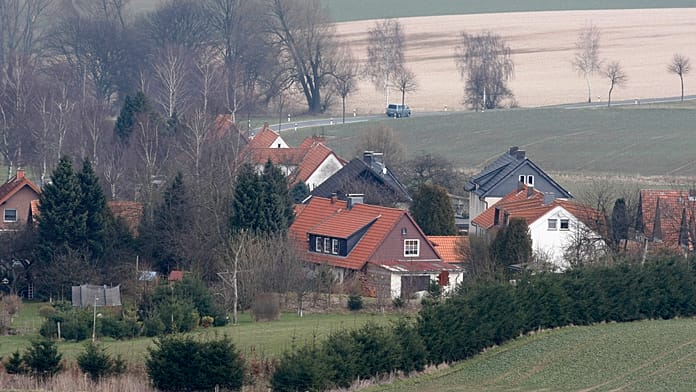
Across Europe, homes in cities cost far more than in the countryside. However, smaller gaps do not mean that homes are affordable. Euronews Business looks at where the gap is widest and why.
In brief
House prices in urban centres are, on average, 31% above the national average across 16 European countries, according to Euronews Business calculations based on the OECD’s Regions and Cities at a Glance 2026 report.Prices are 11% below the national average in commuting zones and 30% below it in areas beyond cities and their commuting zones.This is partly explained by the fact that jobs, investment and innovation are increasingly concentrated in capital regions and large cities.
This is the opening of the story, shared with credit to Euronews. The rest of the report — with every detail — continues on the publisher’s website.
Continue reading at Euronews ↗