📰 Newspapers

Over a Dozen Studies Said AI Can Read Your Blood Type From a Fingerprint. Then Someone Checked the Data

Over a Dozen Studies Said AI Can Read Your Blood Type From a Fingerprint. Then Someone Checked the Data

Two researchers are calling for the retraction of over a dozen papers that claim AI tools can predict a person’s blood type from their fingerprints alone. Two journals are now investigating.

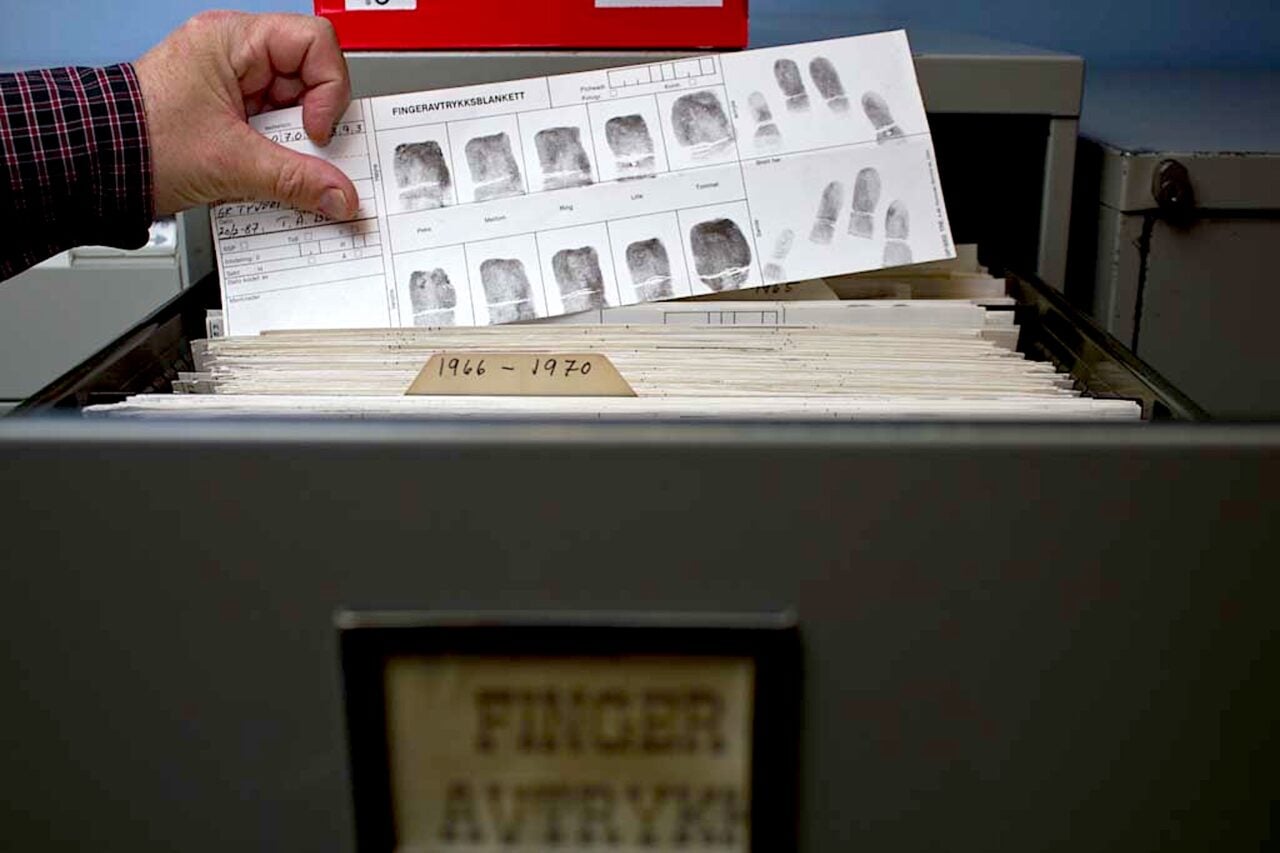
Over a dozen conference papers and peer-reviewed journal articles have been published in the past three years promising a teasing correlation sure to captivate both forensic scientists and the kinds of health-conscious people who obsessively upgrade their wearable fitness trackers. Simple scans of human fingerprints, so these studies contend, are enough to classify a person’s blood type thanks to AI models trained on datasets posted publicly online.

Much of this was pitched as a boon to ordinary people with a natural aversion to needles or blood. One 2025 study published in Franklin Open, for example, touted the advancement as a “non-invasive, pain free, and efficient alternative for blood group classification.” Unfortunately for those sharing those phobias, two academics in Australia have traced several of these studies back to a single dataset of 6,000 fingerprints from 600 human subjects that, they report, never even tied those prints to any blood-type information at all. The nonprofit Retraction Watch dove into the details of the drama on Monday.

“The papers are produced under false pretence with fake data and should therefore be retracted,” according to a joint statement emailed to the nonprofit by mechanical engineer Lars Kooijman, an adjunct research fellow at Melbourne’s Monash University, and psychologist Stephanie Summersby, a postdoc and adjunct with the University of New South Wales.


In brief

Over a dozen conference papers and peer-reviewed journal articles have been published in the past three years promising a teasing correlation sure to captivate both forensic scientists and the kinds of health-conscious people who obsessively upgrade their wearable fitness trackers. Simple scans of human fingerprints, so these studies contend, are enough to classify a person’s blood type thanks to AI models trained on datasets posted publicly online.

This is the opening of the story, shared with credit to Gizmodo. The rest of the report — with every detail — continues on the publisher’s website.

Continue reading at Gizmodo ↗

Cookie settings

Choose which cookies we may use. You can change this at any time from Cookie settings in the footer. Details of each cookie are in the Cookie Policy.

Strictly necessary

Needed for sign-in, security, payments and remembering these choices. Always on.

Preferences

Remember settings such as dark mode.

Analytics & performance

Help us count visits, understand which pages, devices and countries our readers use, and measure how well the site performs – anonymous and aggregated.

Advertising & marketing

Lets advertising partners show and personalise adverts, measure impressions, clicks and visits, prevent ad fraud and pay us – this is how the free site is funded.

🔔 News notifications

Get headlines from NewsHub on this device — even when the site is closed.

You can switch this off at any time. Works on Android, Windows, Mac and Linux browsers; on iPhone/iPad add the site to your Home Screen first.