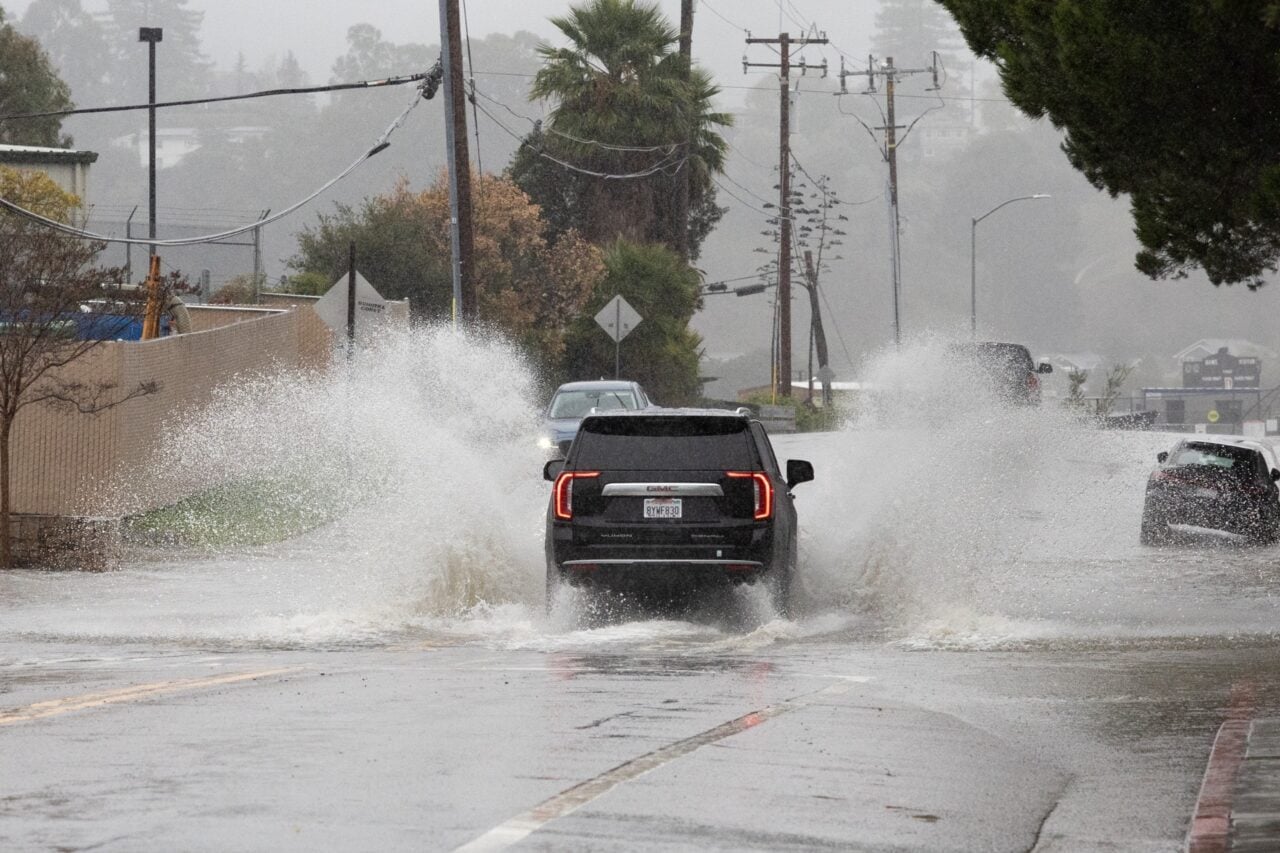
European governments are increasingly urging citizens to prepare for up to 72 hours without access to food, water, electricity or communications. France, the United Kingdom, Ireland and the Netherlands have all launched campaigns encouraging households to take steps to prepare for events caused by anything from extreme weather to cyberattacks that could disrupt digital networks or critical supply chains.Last month, major French supermarket chains were hit by a cyberattack that caused the temperature in thousands of refrigerator and freezer units to soar, wasting tens of thousands of pounds of food and stoking concerns about food security. French officials later accused a cyber unit of Iran's powerful Islamic Revolutionary Guard Corps of being behind the attack, which was mirrored several weeks later by a nearly identical cyberattack targeting grocery stores in several other European nations. Belgian authorities blamed that, too, on Iran.Europe was also hit by a record-setting, continent-wide heatwave last summer, triggering wildfires and severe drought even in areas such as northern England, where sustained, excess heat and a lack of precipitation have long been rare exceptions, not the rule. The European governments have recommended that citizens buy and store emergency supplies including bottled water and canned foods to last households up to three days, along with AM/FM radios and sleeping bags.
Why some Europeans have started prepping for doomsday
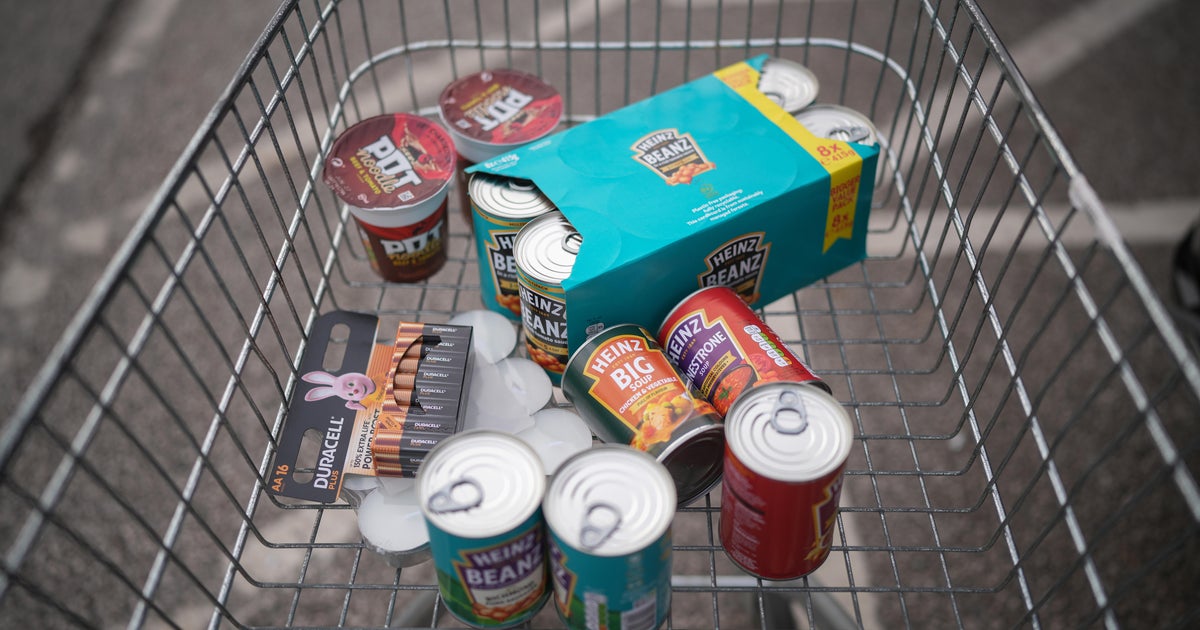
Amid tech glitches, cyberattacks and climate change, some European governments are urging people to prepare for days without access to basic necessities.
In brief
European governments are increasingly urging citizens to prepare for up to 72 hours without access to food, water, electricity or communications. French officials later accused a cyber unit of Iran's powerful Islamic Revolutionary Guard Corps of being behind the attack, which was mirrored several weeks later by a nearly identical cyberattack targeting grocery stores in several other European nations.
This is the opening of the story, shared with credit to CBS News — World. The rest of the report — with every detail — continues on the publisher’s website.
Continue reading at CBS News — World ↗