📰 Newspapers

Two Storms Are Coming for Thanksgiving Travel—One on Each Coast

Two Storms Are Coming for Thanksgiving Travel—One on Each Coast

Tens of millions of Americans are planning to travel for the holiday, and the U.S. is in for some wild weather.

As more than 81 million Americans get ready to travel for Thanksgiving, forecasters are monitoring two major storms that could disrupt flights, close roadways, and create dangerous driving conditions on both U.S. coasts.

A powerful system is strengthening off the southeast coast and could undergo “rapid cyclogenesis” to become a bomb cyclone by the holiday, according to the National Weather Service. NWS forecasters expect the storm to hammer the eastern seaboard with soaking rain, potentially damaging winds, and coastal flooding from the mid-Atlantic to the Northeast.

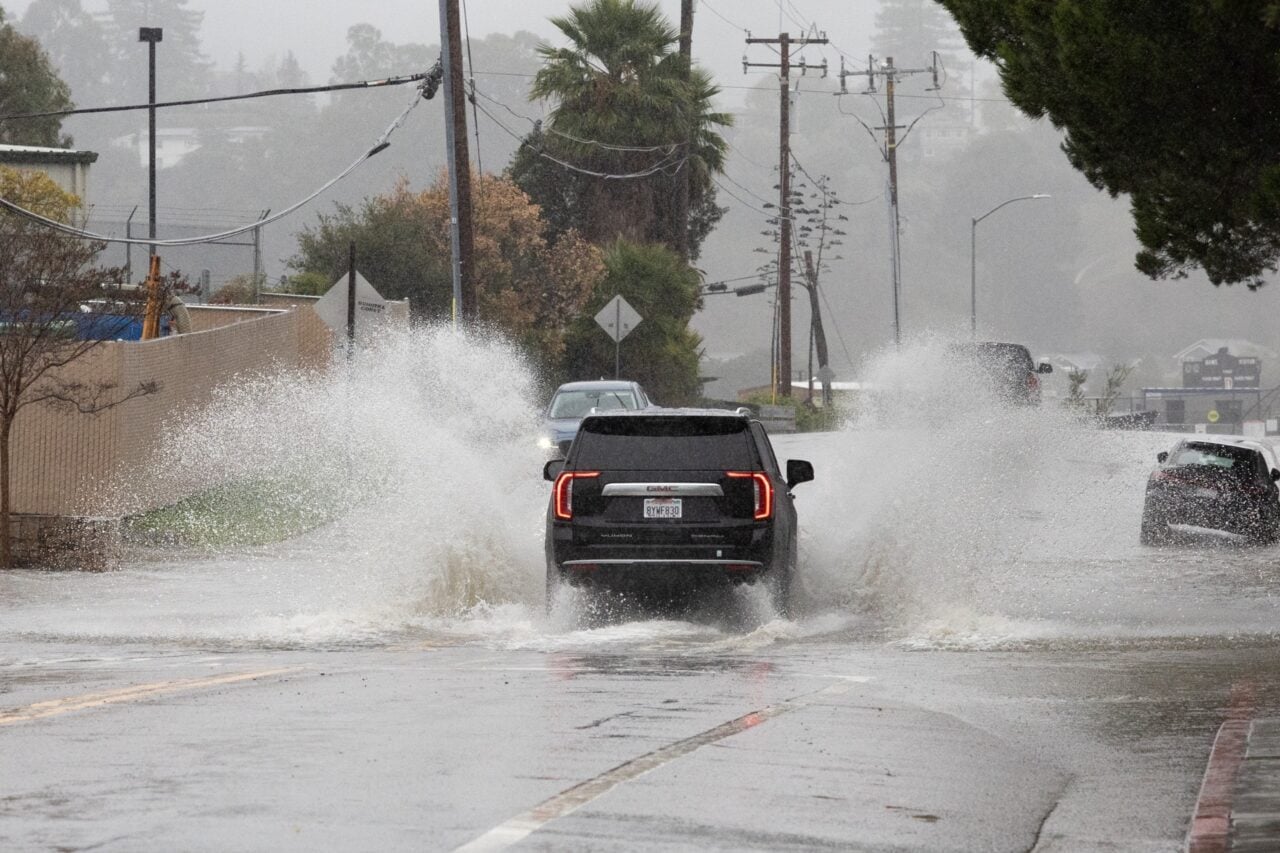
On the West Coast, potentially record-high king tides could coincide with El Niño-driven sea level rise and incoming Pacific storms to cause severe flooding. As of Monday morning, the NWS had issued coastal flood warnings from San Francisco to the southern coast of Washington. The storm itself is expected to bring rain, high-elevation snow, and dense fog to parts of northern and central California.

If the storm developing off the East Coast rapidly intensifies with a pressure drop of at least 24 millibars in 24 hours, it could become a bomb cyclone. These powerful storms tend to produce heavy precipitation, strong winds, and significant coastal impacts.

Indeed, forecasts are already showing high confidence for an “impactful” holiday storm that will slam the East Coast on Wednesday and Thursday, according to the NWS.


In brief

As more than 81 million Americans get ready to travel for Thanksgiving, forecasters are monitoring two major storms that could disrupt flights, close roadways, and create dangerous driving conditions on both U.S. coasts. On the West Coast, potentially record-high king tides could coincide with El Niño-driven sea level rise and incoming Pacific storms to cause severe flooding. These powerful storms tend to produce heavy precipitation, strong winds, and significant coastal impacts.

This is the opening of the story, shared with credit to Gizmodo. The rest of the report — with every detail — continues on the publisher’s website.

Continue reading at Gizmodo ↗

Cookie settings

Choose which cookies we may use. You can change this at any time from Cookie settings in the footer. Details of each cookie are in the Cookie Policy.

Strictly necessary

Needed for sign-in, security, payments and remembering these choices. Always on.

Preferences

Remember settings such as dark mode.

Analytics & performance

Help us count visits, understand which pages, devices and countries our readers use, and measure how well the site performs – anonymous and aggregated.

Advertising & marketing

Lets advertising partners show and personalise adverts, measure impressions, clicks and visits, prevent ad fraud and pay us – this is how the free site is funded.

🔔 News notifications

Get headlines from NewsHub on this device — even when the site is closed.

You can switch this off at any time. Works on Android, Windows, Mac and Linux browsers; on iPhone/iPad add the site to your Home Screen first.