Conservation stories are heartwarming to read but they require patience. At some locations, for some creatures the effects of changes in Earth’s geography are immense and irreversible at times. However, conservation success stories make you realise how the efforts have to be continued without an expectation of results sometimes, and years later a creature might just become part of wildlife again. This is the story behind Anartic blue whales, of whom only 418 were left in 1973 when the last whale catch was reported. At the time, they were on the brink of extinction, yet, after 50 years of protection, in 2024 the whale’s population is estimated to be at 4,018.A study led by the University of Washington, titled ‘Critically Endangered Antarctic blue whales are increasing but still far from pre-whaling levels’ was published in Endangered Species Research on November 5 has revealed the latest numbers.The challenge of countingThough these whales are big enough to be spotted from space, counting them is not an easy task. This is because Antarctic blue whales do not surface often. Thus, researchers use a combination of photo identification and line transect surveys to estimate the whale population.Line transect surveying is a technique involving a lot of calculated estimation rather than an exact count.
Antarctic Blue Whale Estimate: Population reaches 4,018 in 2024; still just 1.9% of pre-whaling levels
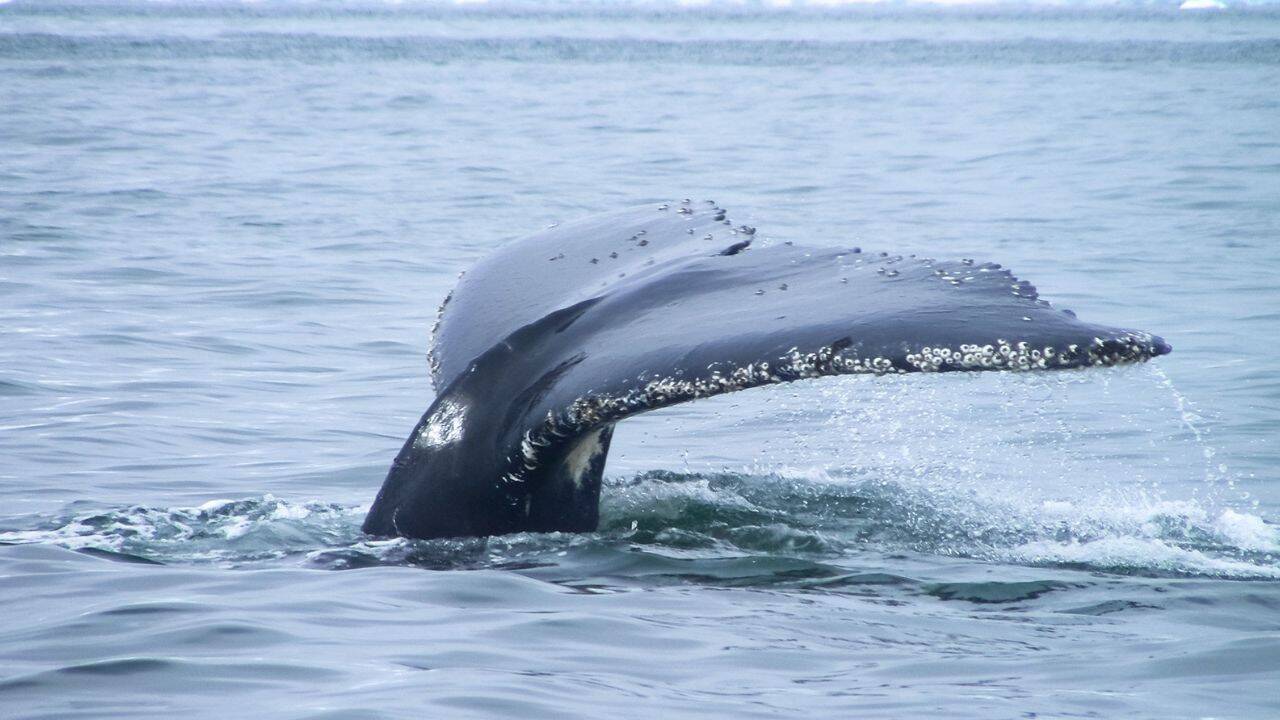
Once on the brink of extinction due to relentless commercial whaling, Antarctic blue whales are making a remarkable comeback. From a mere 418 individuals in 1973, projections indicate their population could soar to 4,018 by 2024. Employing innovative monitoring techniques, researchers have navigated observation challenges to assess these majestic creatures.
In brief
Conservation stories are heartwarming to read but they require patience. This is the story behind Anartic blue whales, of whom only 418 were left in 1973 when the last whale catch was reported. This is because Antarctic blue whales do not surface often. Thus, researchers use a combination of photo identification and line transect surveys to estimate the whale population.Line transect surveying is a technique involving a lot of calculated estimation rather than an exact count.
This is the opening of the story, shared with credit to The Times of India — World. The rest of the report — with every detail — continues on the publisher’s website.
Continue reading at The Times of India — World ↗